Sightseeing around Uji Station
Sightseeing around Uji Station
Enjoying Byodoin Temple, Ujigami Shrine, and Tea Culture
Uji is a city bordering Kyoto City to the south. It is home to World Heritage temples and shrines, and is very famous as a tea-producing region. It has been a popular villa area for aristocrats since the Heian period (8th-12th centuries) and is also known as a region associated with the famous novel "The Tale of Genji."
The Uji River, which flows through this city, originates from Lake Biwa in Shiga Prefecture, becomes known as the Yodo River when it enters Osaka, and finally flows to Osaka Bay. Along the riverside promenade, you can enjoy the scenery of the four seasons and relive the picturesque landscape that the aristocrats once loved.
Bordering mountains to the east, this city is also a quiet residential area, where you can not only see magnificent temples and historical shrines, but also savor some of Japan's finest tea and sweets. Many renowned, long-established tea merchants have their main stores in this area, allowing you to enjoy the diverse charms of tea, from the finest cup brewed using traditional techniques to the latest and most original matcha sweets.

Tea and Matcha Sweets
Uji is more than just a tea-producing region; it's a place where Japanese tea culture has flourished for over 800 years, reaching its pinnacle. Walking through the city, you'll be enveloped in a peaceful atmosphere, soothed by the dignified presence of long-established tea merchants and the rich aroma of tea wafting from their shops.

CHAZUNA
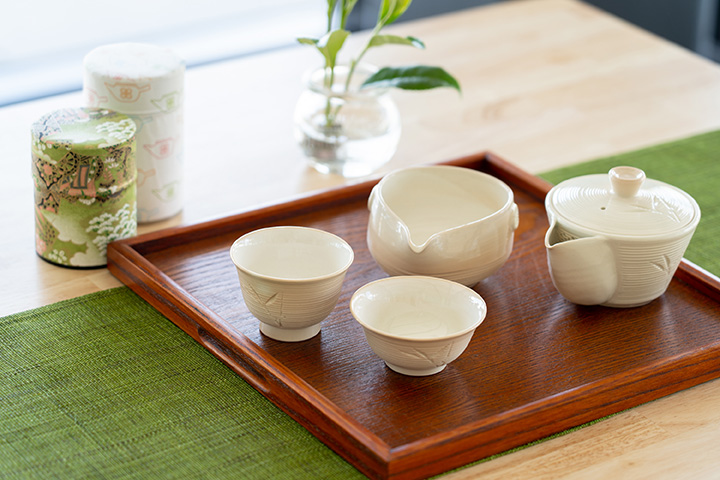
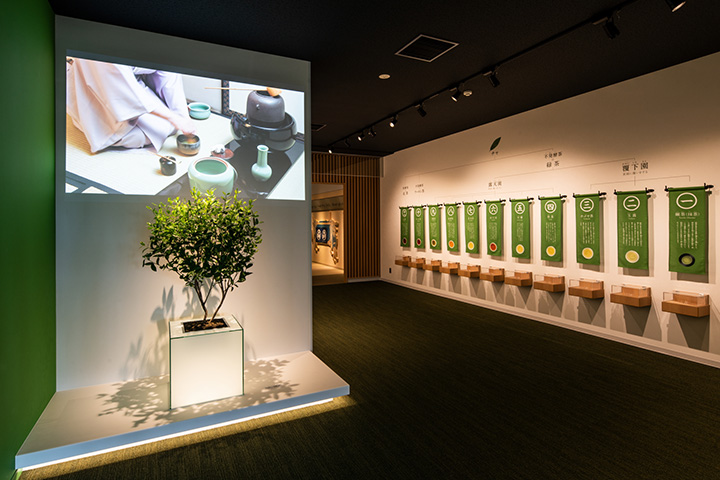
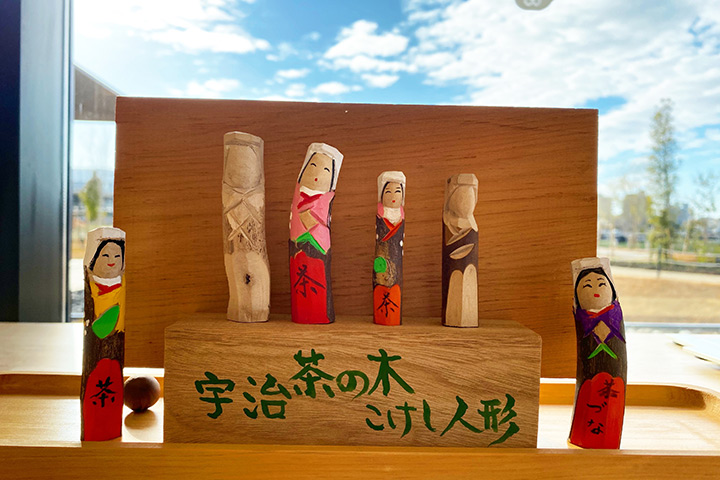
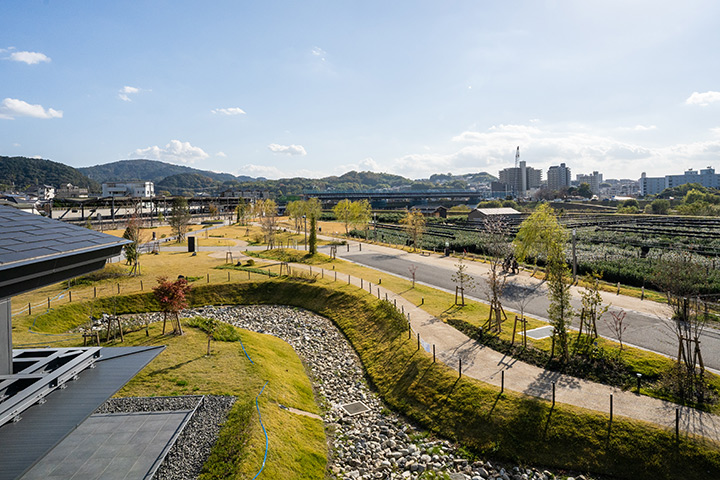
Opened in 2021, this park facility will help you to discover the fascinating appeals of Uji Matcha and Uji City. The park has a museum where you can learn about the history and culture of tea-making and the city of Uji. Daily activities related to tea are also hosted. The park itself is covered with tea plantations.
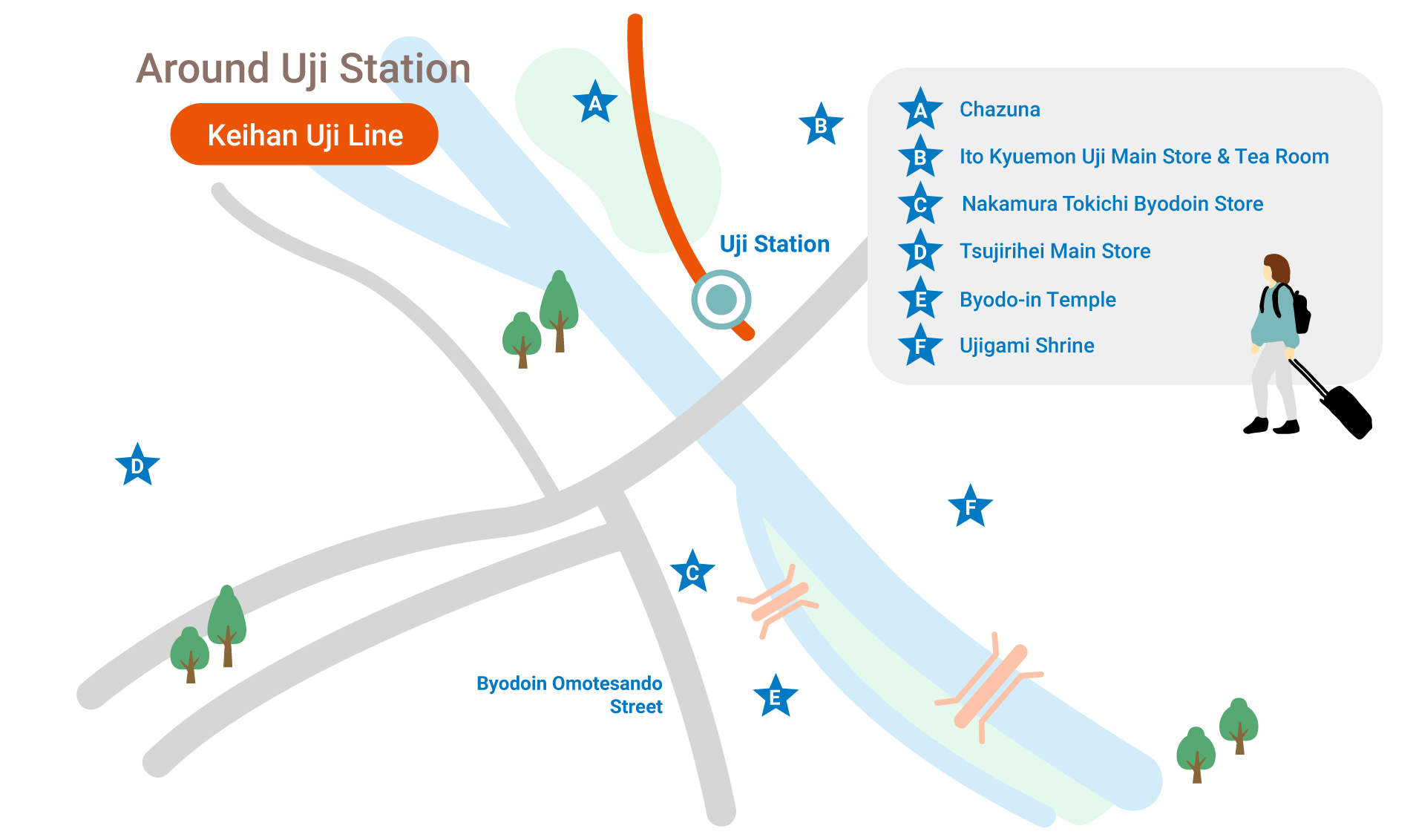
Access: 4 minutes on foot from Keihan Uji Station

Itoh Kyuemon Uji Main Store & Tea Room
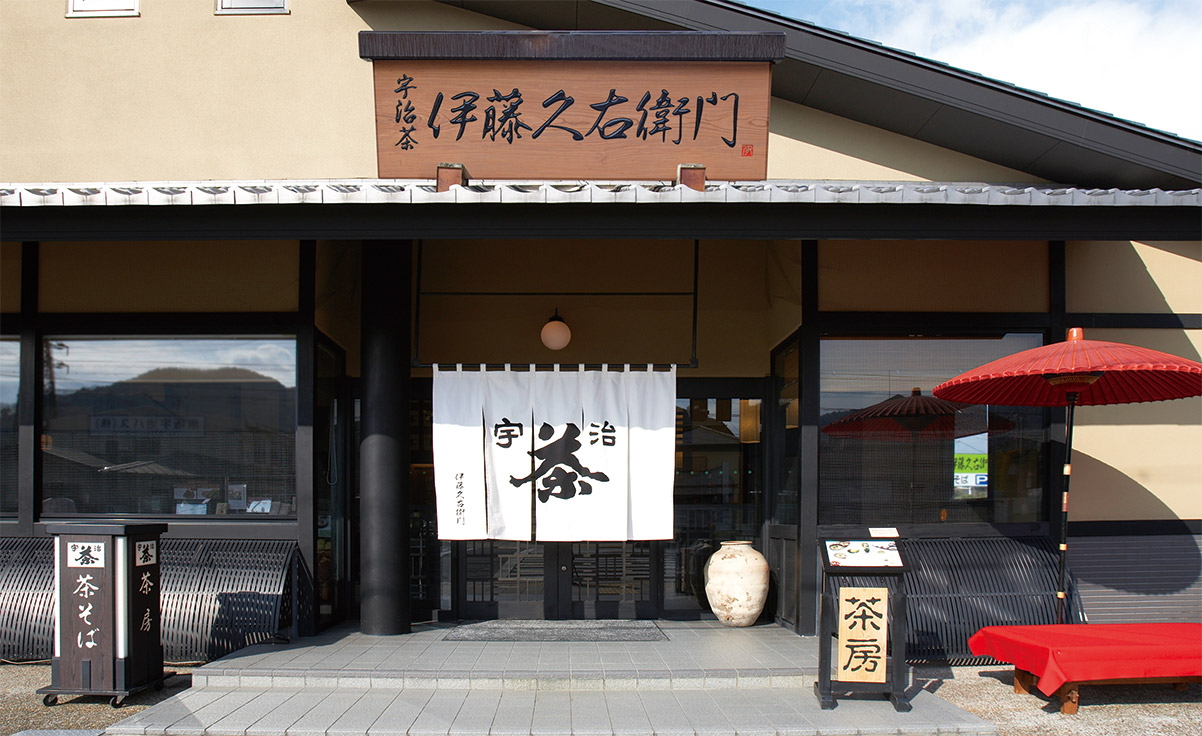
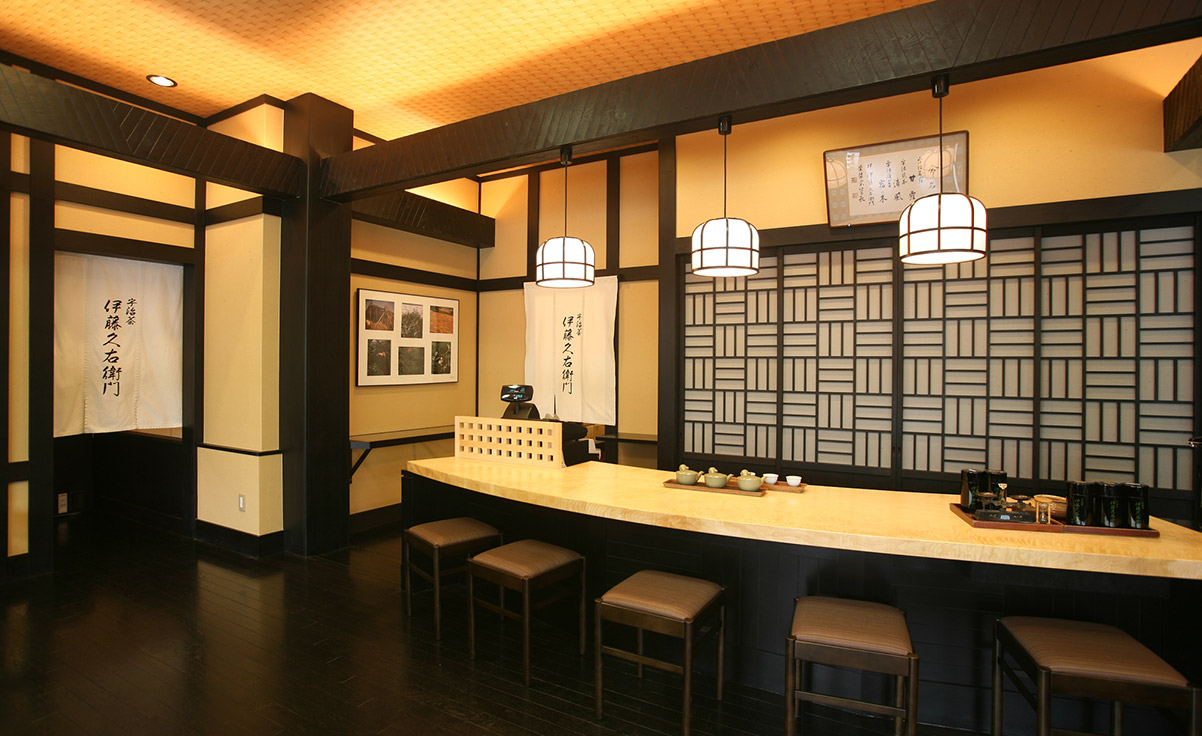
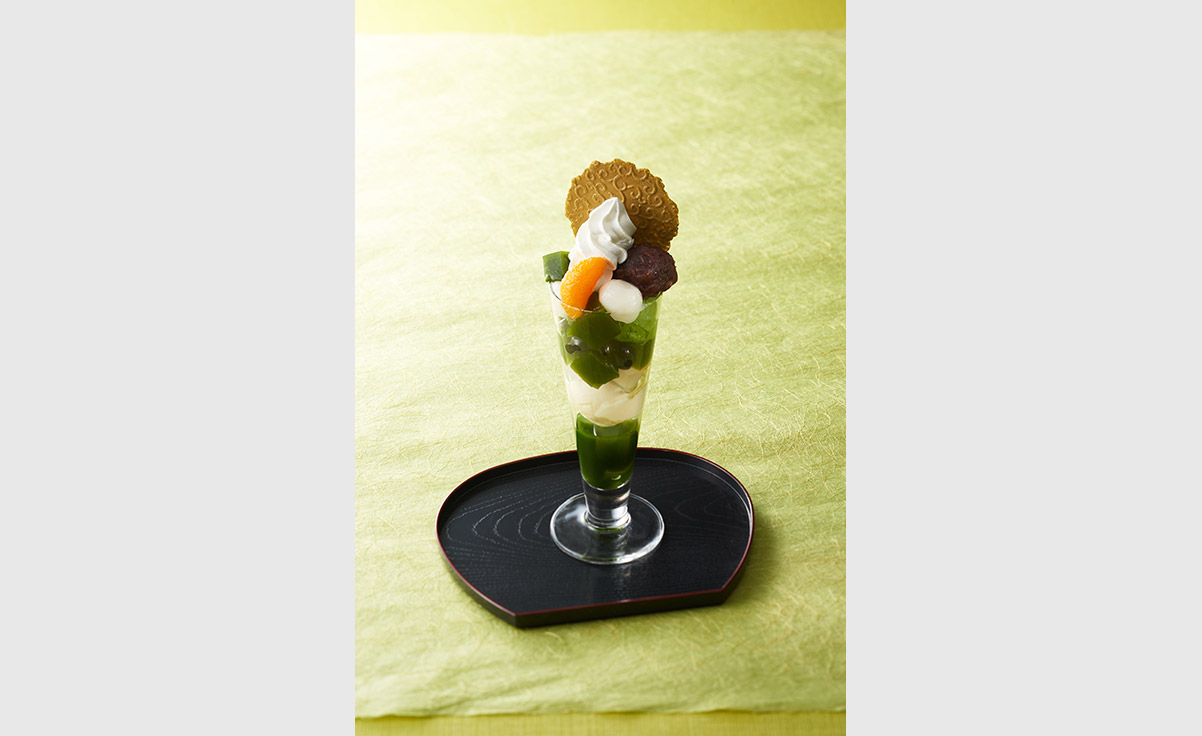
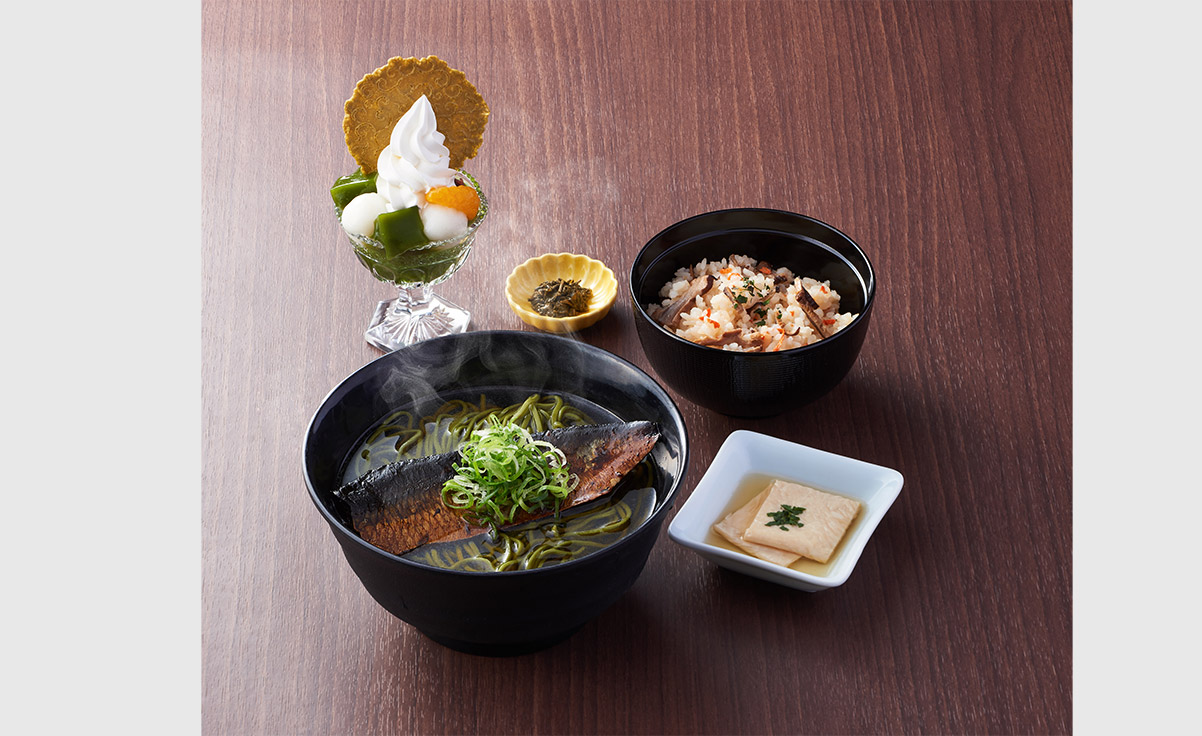
A long-established store boasting a history dating back to 1832, the tea room at the Uji Main Store is immensely popular for its seasonal parfaits that make use of matcha in a luxurious way. In addition to selling traditional teas, they also offer unexpected dishes such as matcha curry and soba noodles, making it a place to experience new possibilities for tea. The spacious store also stocks a wide variety of gifts, making it perfect for souvenirs and mementos of your trip.
Access: 5 minutes on foot from Keihan Uji Station

Nakamura Tokichi Byodoin Store
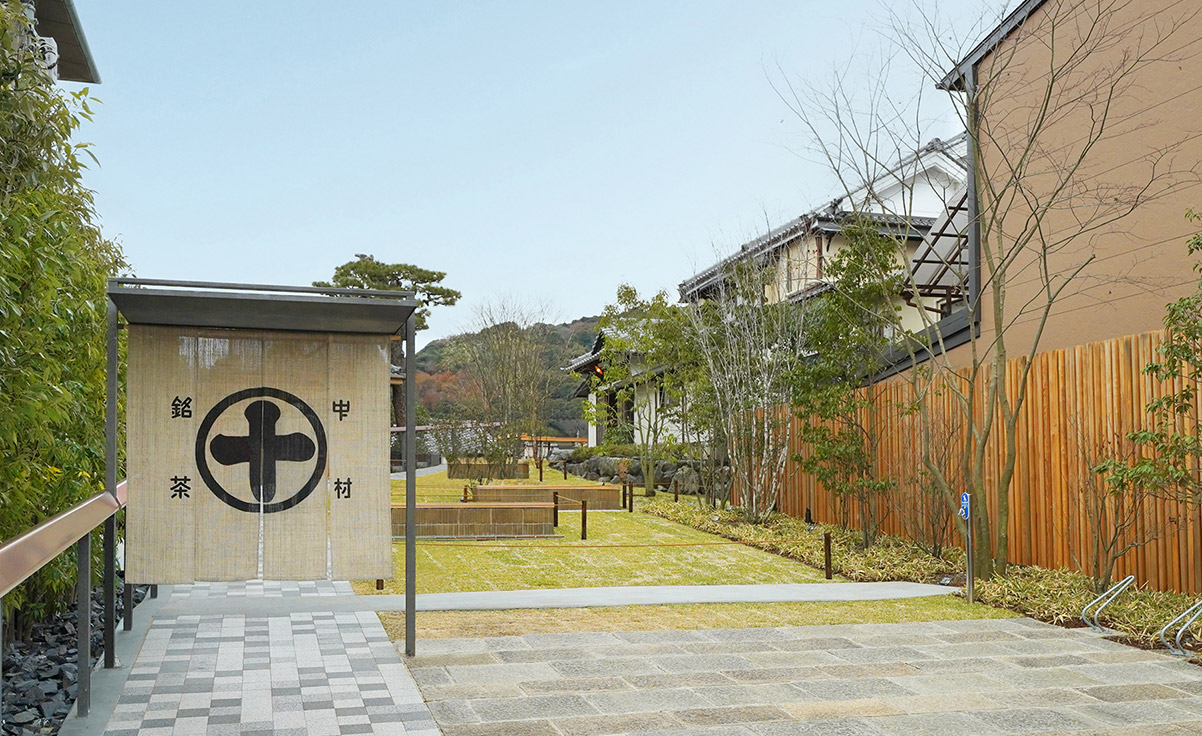
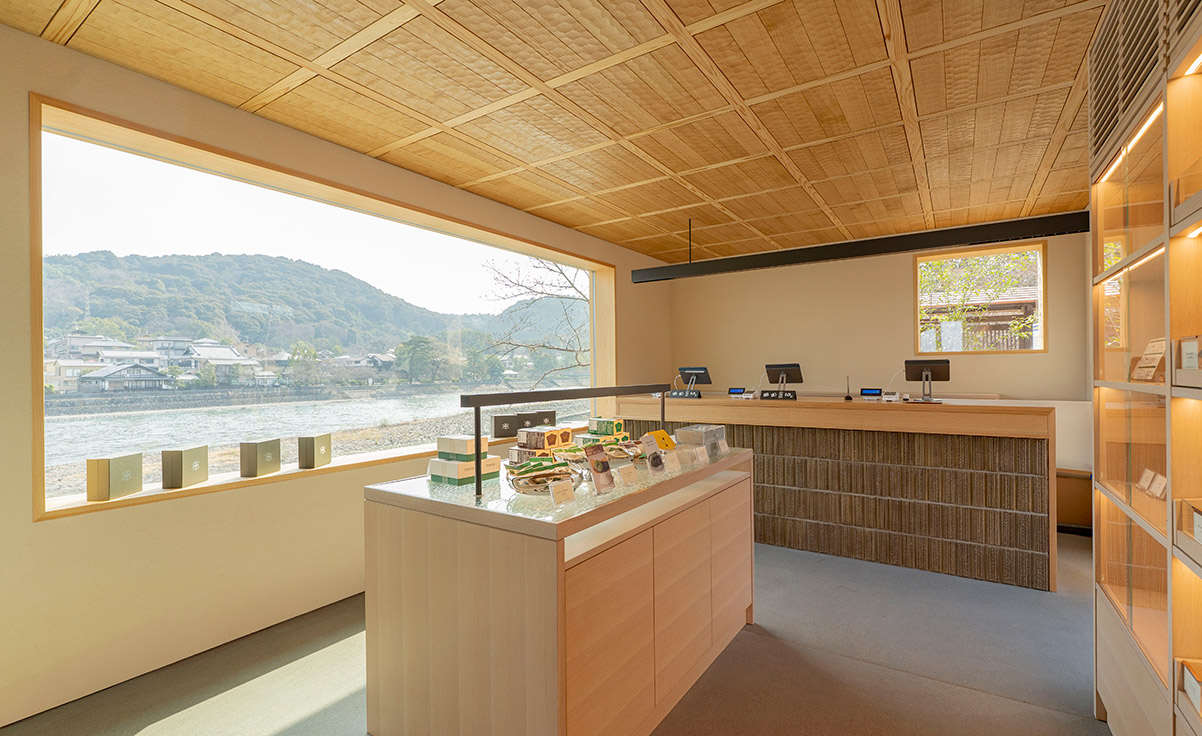
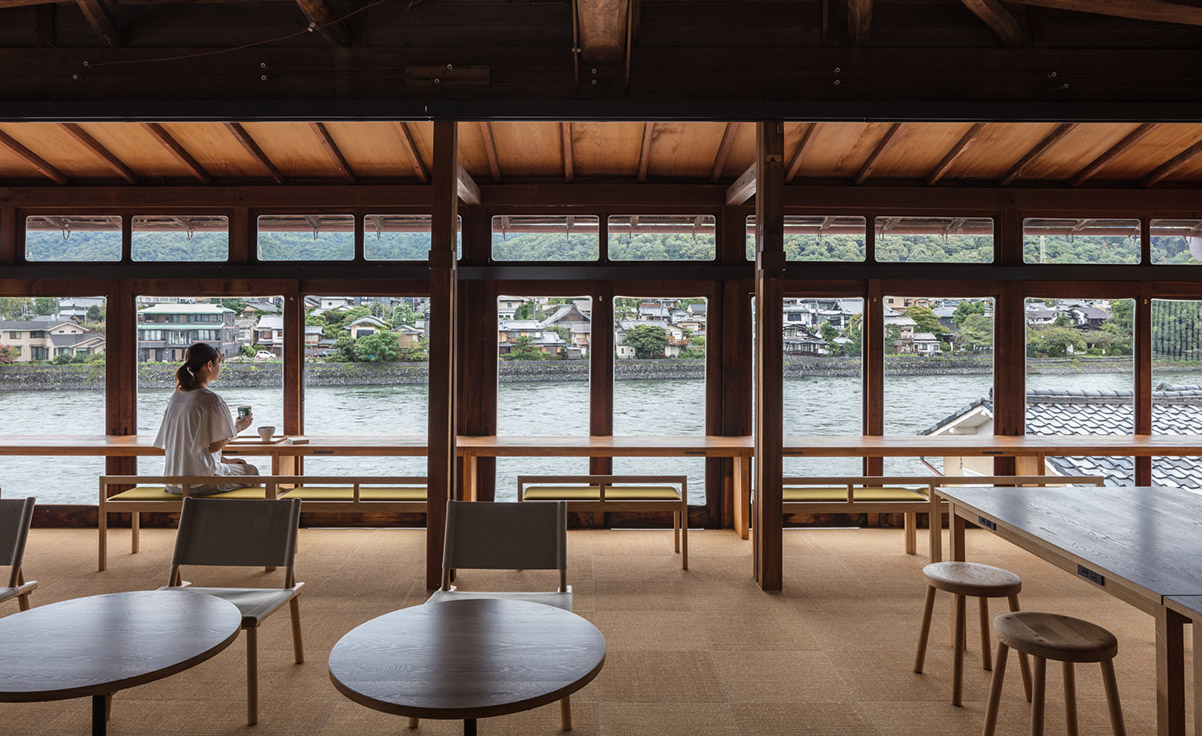
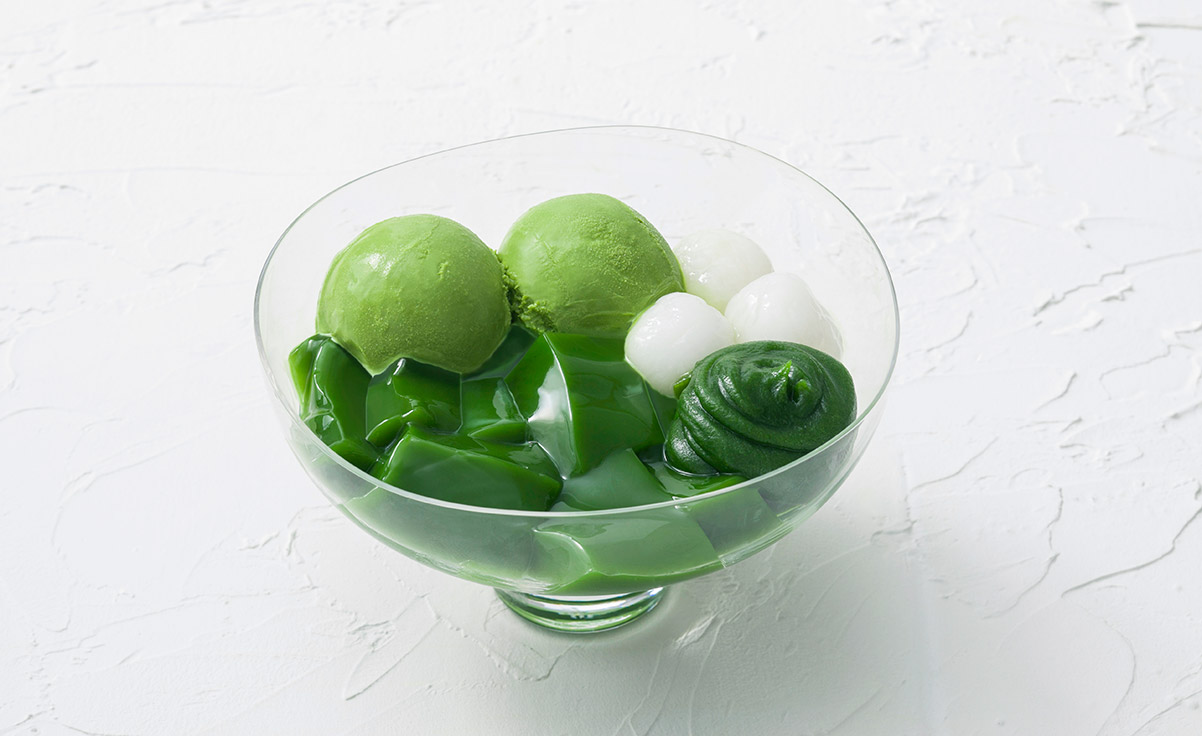
Located very close to Byodoin Temple, Nakamura Tokichi Byodoin Store is a branch of the long-established Nakamura Tokichi Main Store, founded in 1854. The exterior of the historic ryokan (traditional Japanese inn) that once welcomed many distinguished guests remains, while the interior has been modernized. Guests can enjoy a peaceful time while gazing at the gentle murmur of the Uji River flowing in front of them. In addition, their Namacha Zelly, which condenses the rich aroma and flavor of tea, is loved by many.
Access: 5 minutes on foot from Keihan Uji Station

Tsuji Rihei Honten
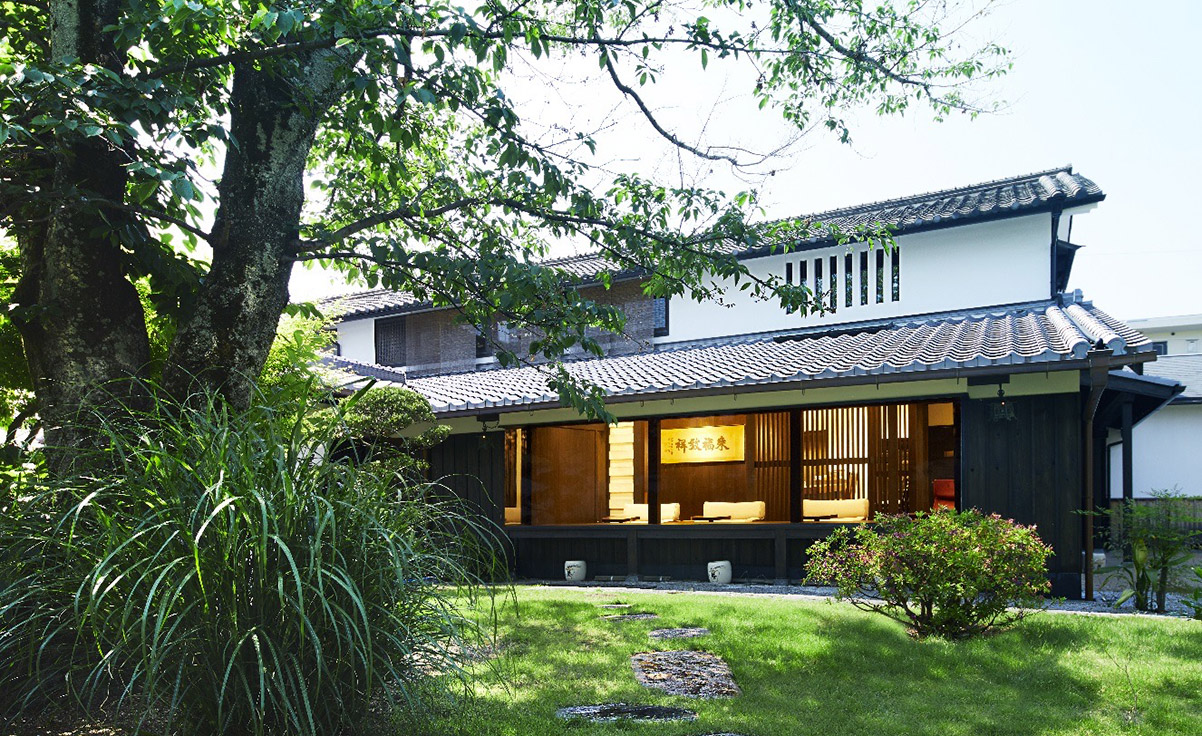
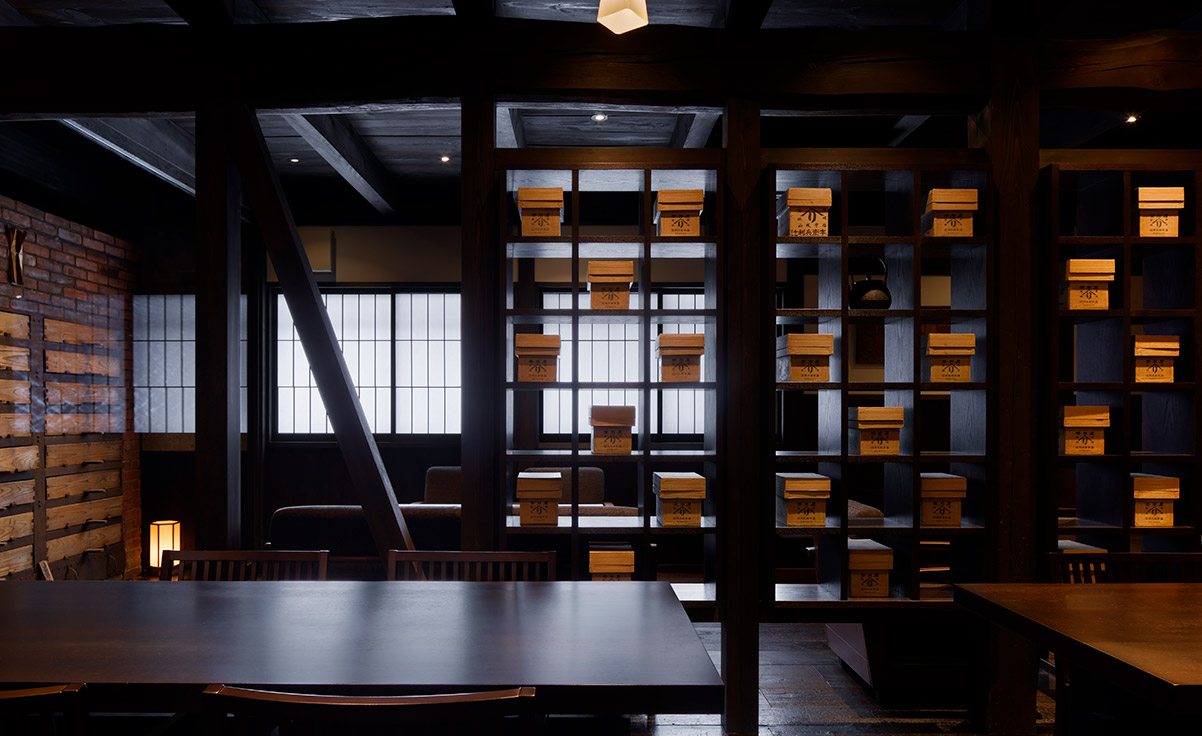
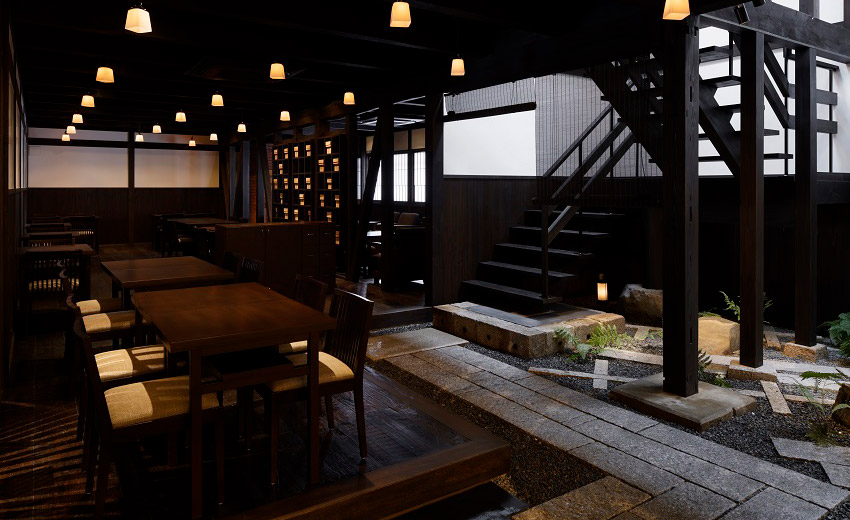
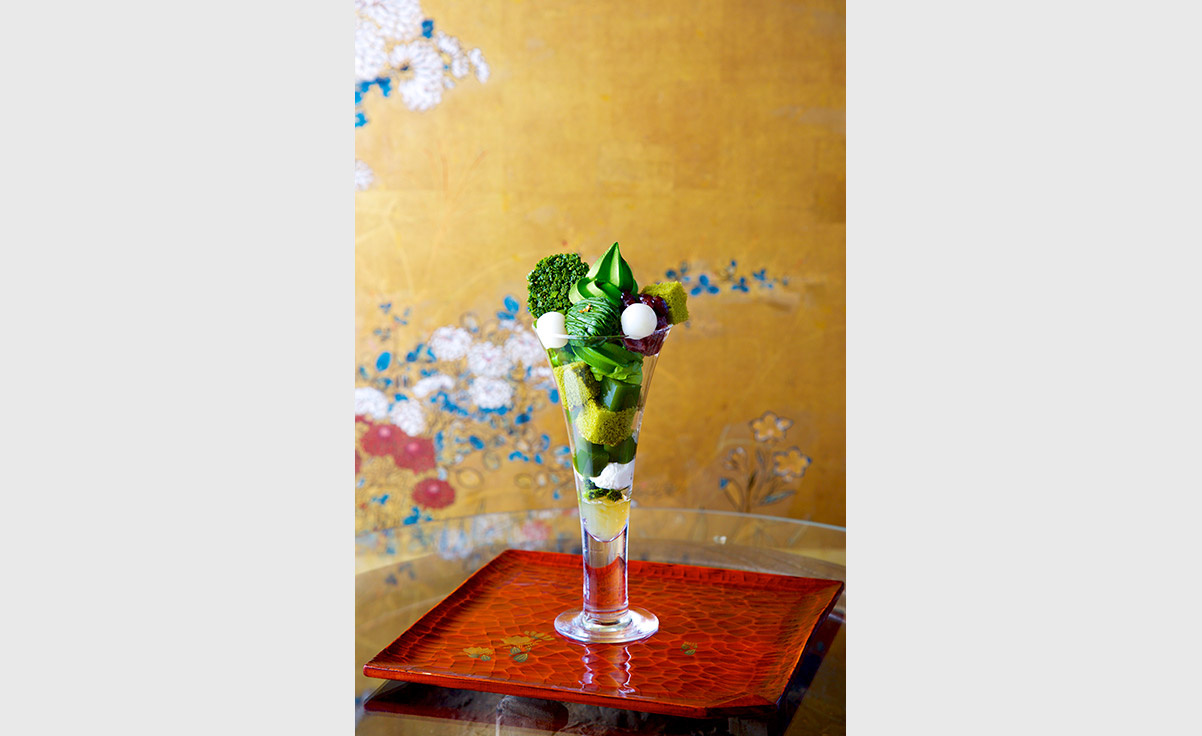
Founded in 1860, Tsuji Rihei Honten is a tea house where modernity and tradition harmonize, housed in a renovated building that was once a tea factory. In a tranquil space that makes use of the heavy beams and pillars, you can leisurely savor the finest Uji tea while gazing at the garden. Here, the parfaits with their rich matcha flavor and a variety of original matcha sweets continue to captivate visitors. The serene atmosphere, which enables you to feel the history of tea firsthand, is perfect for those who want to escape the hustle and bustle and enjoy a moment of peace.
Access: 18 minutes on foot from Keihan Uji Station
Shrines and Temples
Byodoin Temple and Ujigami Shrine, standing across the Uji River, are both UNESCO World Heritage Sites and symbols of this city's long history. One is the epitome of aristocratic culture that sought to recreate paradise on earth, while the other is a serene sanctuary that preserves the oldest shrine architecture in Japan, each exuding its own unique charm.

Byodoin Temple
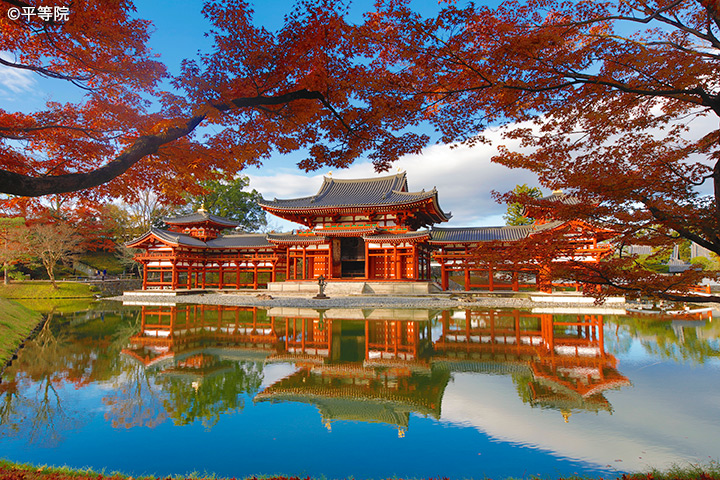
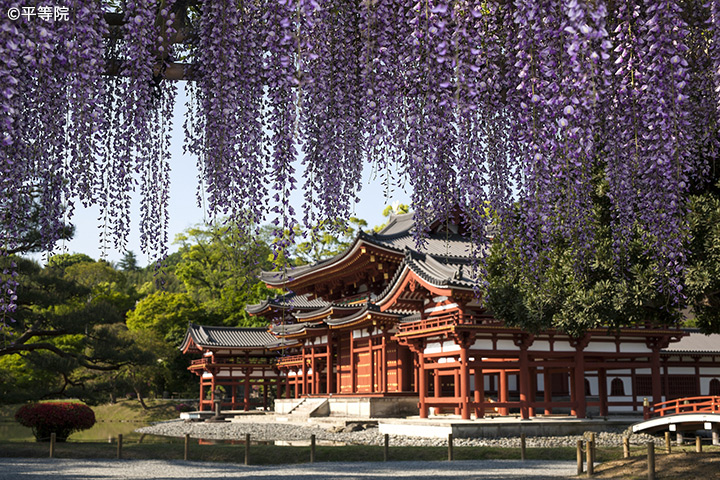
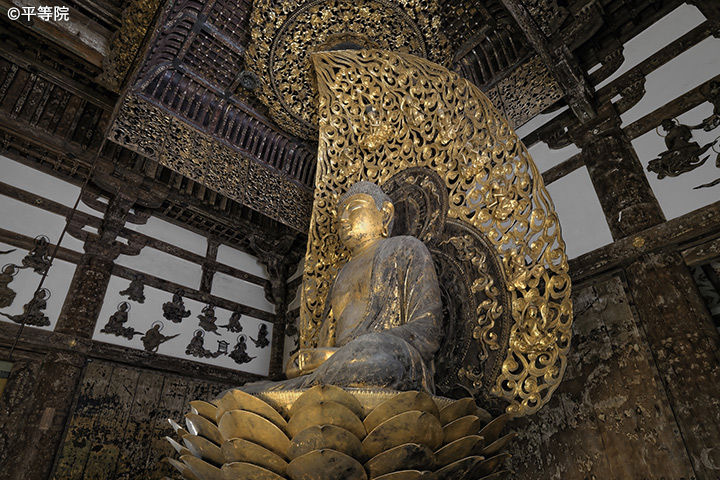
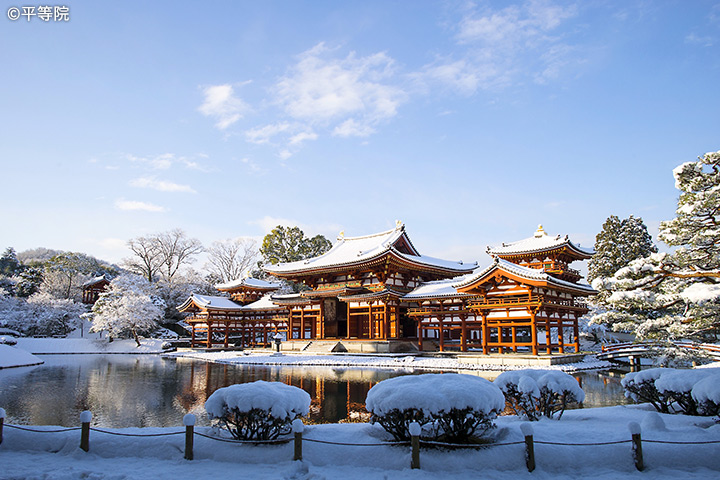
Phoenix Hall, one structure at the World Heritage Site Byodoin Temple so inspiring it is on the 10-yen coin and one of its phoenixes is on the 10,000-yen note.
The fires of war have found their way to the temple many times throughout the centuries, and only the Amida hall has miraculously survived, preserving the Buddhist architecture, images, paintings and gardens from the eleventh century when Heian nobility culture flourished.
Access: 10 minutes on foot from Keihan Uji Station

Ujigami Shrine
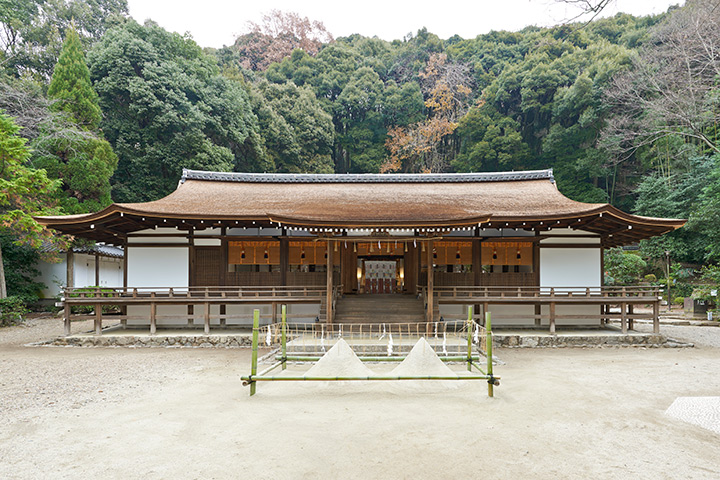
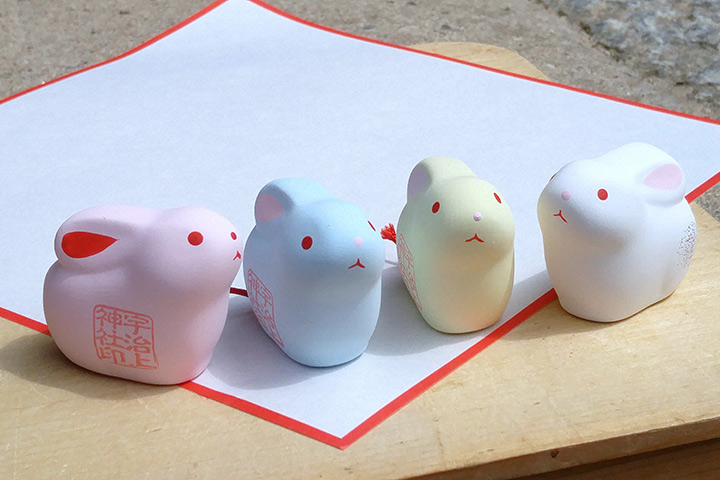
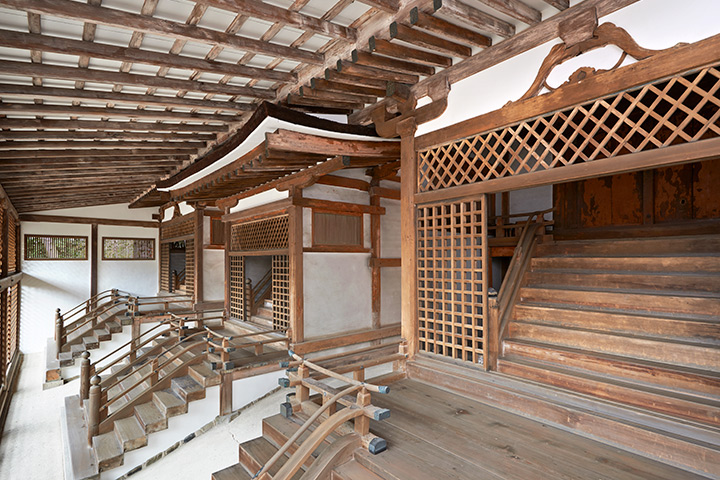
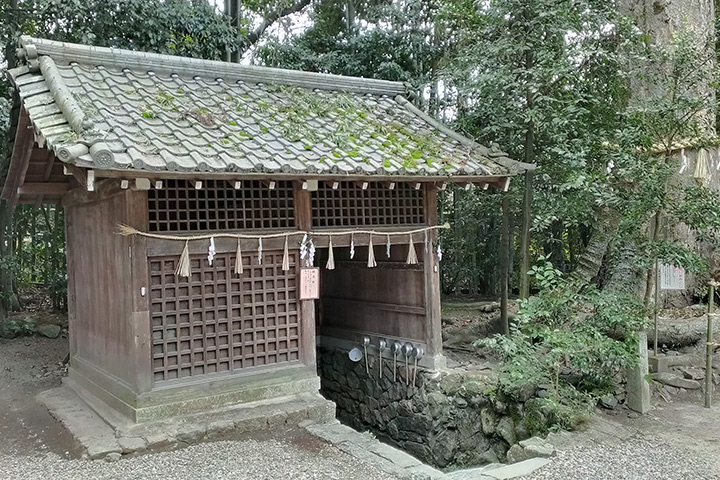
Ujigami Shrine, built so as to face Byodoin Temple across the Uji River, has a modest exterior, but it is registered as a World Heritage Site as the oldest shrine in Japan still standing.
Access: 10 minutes on foot from Keihan Uji Station
- URL
- https://www.ujikamijinja.jp/ - Japanese
- MAP
- Google Map